
Fast facts first for Artemis II launch in the final hours of today’s earliest two-hour launch window. NASA’s Countdown Timeline is ticking toward 6:24 PM this cool April fools day. The Artemis II crew, mission, and lunar program is all systems GO and it ain’t no joke!
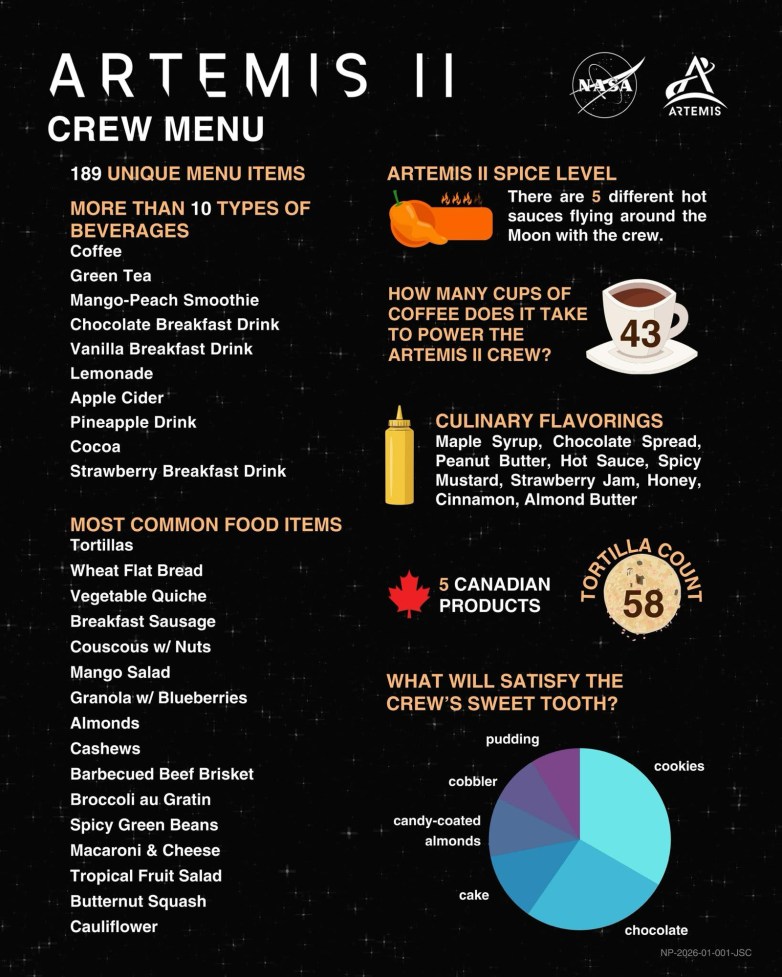
I produced this blog while researching NASA and Artemis terminology for reference. Initially sourcing subject matter in something larger for post-launch and mid-orbit. I feel compelled and overwhelmed with immediacy to share some of what I’ve learned today. In time for tonight’s two hour launch window between 6:24 and 8:24 PM EST.
It’s Like A Fist-Bump Filled With Firsts
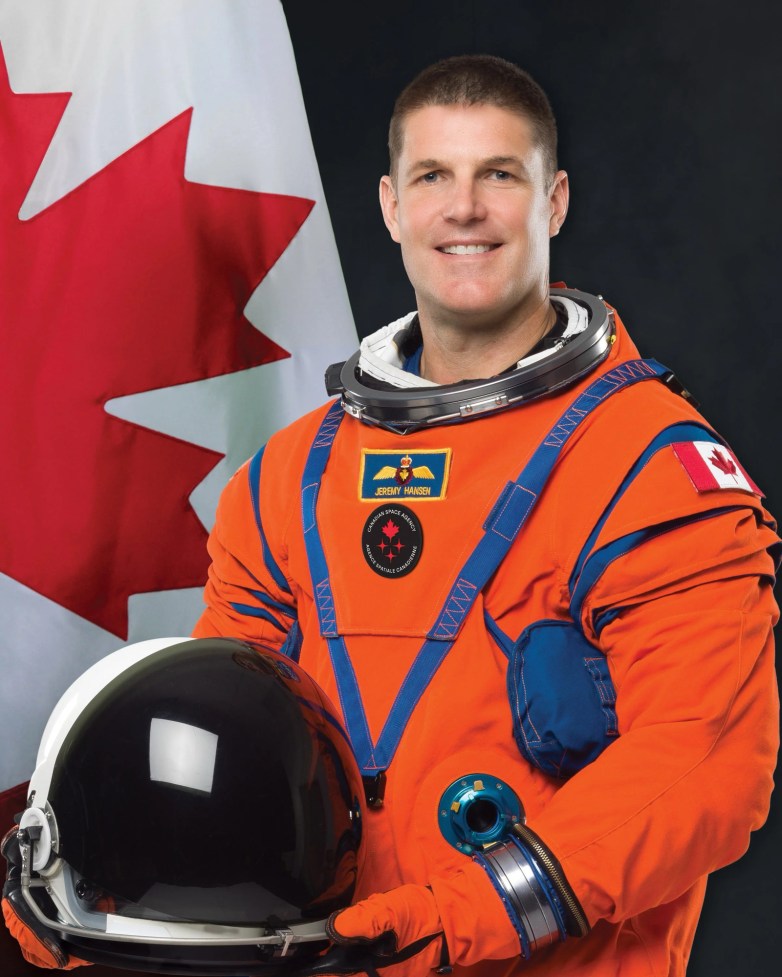
It’s like a fist-bump filled with firsts as the crew drafts a new page in history. Canadian Space Agency astronaut Jeremy Hansen will be the first Canadian to enter Deep Space and orbit the moon. Colonel Hansen has been assigned as a Mission Specialist during the Artemis II ten day tour. Rightfully earned since 2017 as the first Canadian to lead a NASA astronaut class.
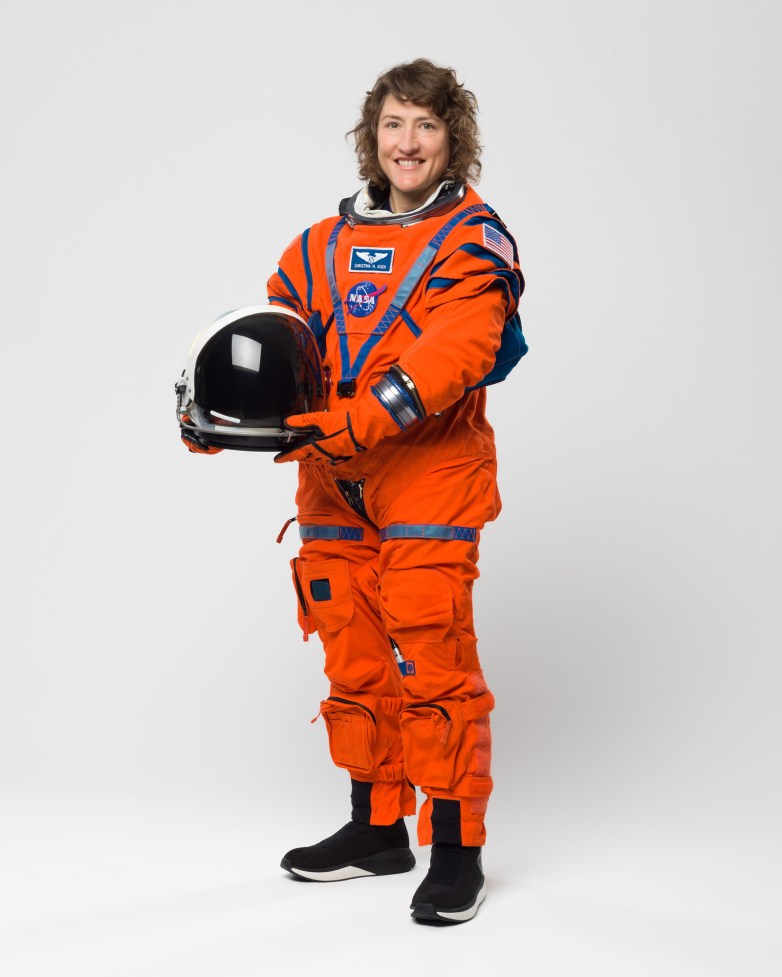
Working closely with our Canadian is American astronaut Christina Koch. Who will be Earth’s first female to orbit the moon in research and experiment. The courageous explorer has been assigned as a Mission Specialist. She’s conquered the Arctic and Antarctic, and is a trailblazer of NASA’s All Woman Spacewalk. In 2019 Koch lived in space for a record 328 consecutive days.
Commander Reid Wiseman and Pilot Victor Glover both have significant experience aboard the International Space Station. Glover is the first black astronaut to enter deep space and will manually steer Orion for a brief time. Wiseman leads as first American Commander returning a ship and crew to absorb the moon in over five decades.
A First Time Bird’s Eye View
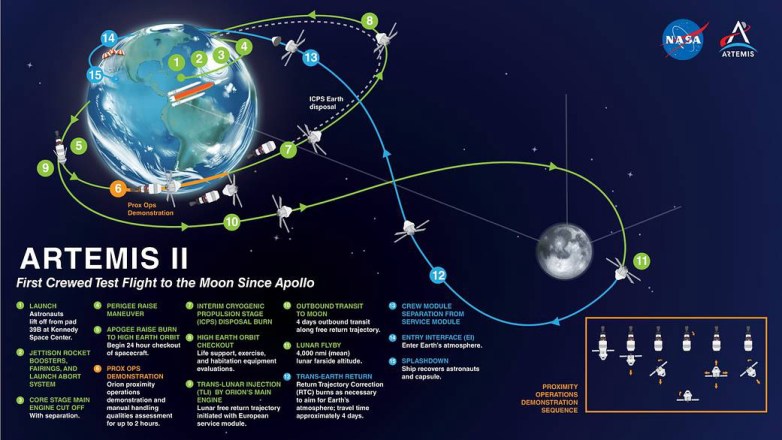
A first time bird’s eye view from the Far Side Of The Moon destined for further exploration. The Artemis II crew won’t only be the first humans returning from the moon in over fifty years. They will actually travel up to 6000 miles further from earth than any humans have before.
The Orion flight path is scheduled to reach the far side of the moon mid-trajectory. That’ll be around day five and total distance of 250,000 miles from earth. You can watch 24/7 Livestream to see what the crew sees and learn more about these mission priorities:
- Crew: Demonstrate the ability of systems and teams to sustain the flight crew in the flight environment, and through their return to Earth.
- Systems: Demonstrate systems and operations essential to a crewed lunar campaign. This ranges from ground systems to hardware in space, and operations spanning from development to launch, flight, and recovery.
- Hardware and Data: Retrieve flight hardware and data, assessing performance for future missions.
- Emergency Operations: Demonstrate emergency system capabilities and validate associated operations to the extent practical, such as abort operations and rescue procedures, as needed.
- Data and Subsystems: Complete additional objectives to verify subsystems and validate data.
First Time Data Transmitting System And Mobile Devices
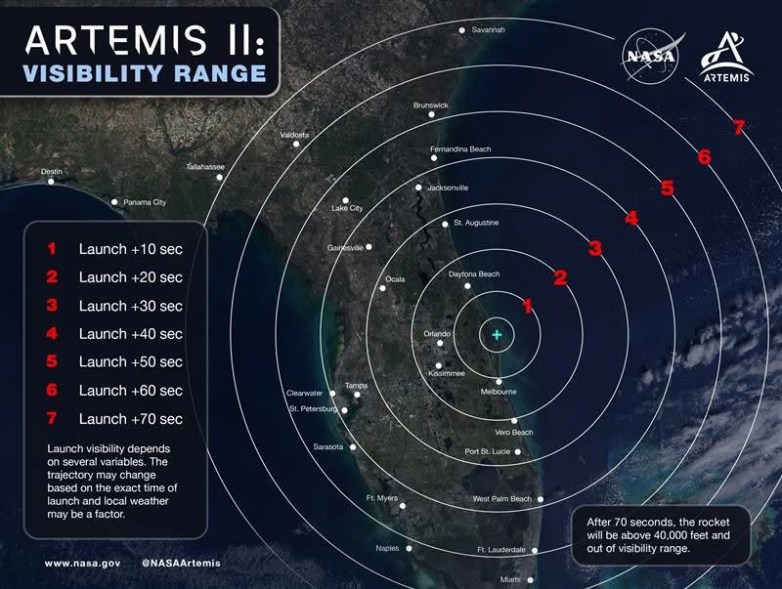
First time data transmitting system and mobile devices for this interstellar Crew. Fast facts first for Artemis II launch and beyond with infrared light signals and data transmission capabilities on Orion.
Last week commander Wiseman spoke eagerly to the media about space research and education advancements. You can learn more from the entire crew and NASA’s astronaut use of mobile devices at this LINK.
That’s a lot of first time for humankind behind Artemis but it won’t be the crew’s first rodeo. For readers and viewers planning to follow this scientific spectacle though… clear a pad and take these quirky science notes transmitted from NASA’s press kit;
- Just before the crew goes to sleep on Flight Day 5, they’ll enter the lunar sphere of influence, where the pull of the Moon’s gravity will become stronger than the pull of the Earth’s gravity.
- The closest the crew will come to the lunar surface will be when Orion flies behind the Moon. At this point, the crew will lose communication with the Earth for anywhere from 30-50 minutes, depending on when they launched.
- At this distance the Moon will appear to the crew to be about the size of a basketball held at arm’s length.
- A launch countdown contains “L Minus” and “T Minus” times. The “L minus” indicates how far away liftoff is in hours and minutes. The “T minus” time is a sequence of events built into the launch countdown.
- Pauses in the countdown, or “holds,” are built in to allow the launch team to target a precise launch window, and to provide a cushion of time for certain tasks and procedures without impacting the overall schedule.
- During planned holds in the countdown process, the countdown clock is intentionally stopped and the T- time also stops. The L- time, however, continues to advance.
- Infrared light’s shorter wavelengths allow spacecraft to pack significantly more data into each transmission, translating to more discoveries.
- The Artemis II mission profile follows the uncrewed Artemis I flight test by demonstrating a broad range of SLS (Space Launch System) and Orion capabilities for deep space.
- This mission will prove Orion’s life support systems are ready to sustain crew on future missions and allow the crew to practice operations essential to the success of Artemis III and beyond.
A ZGI Named “Rise”
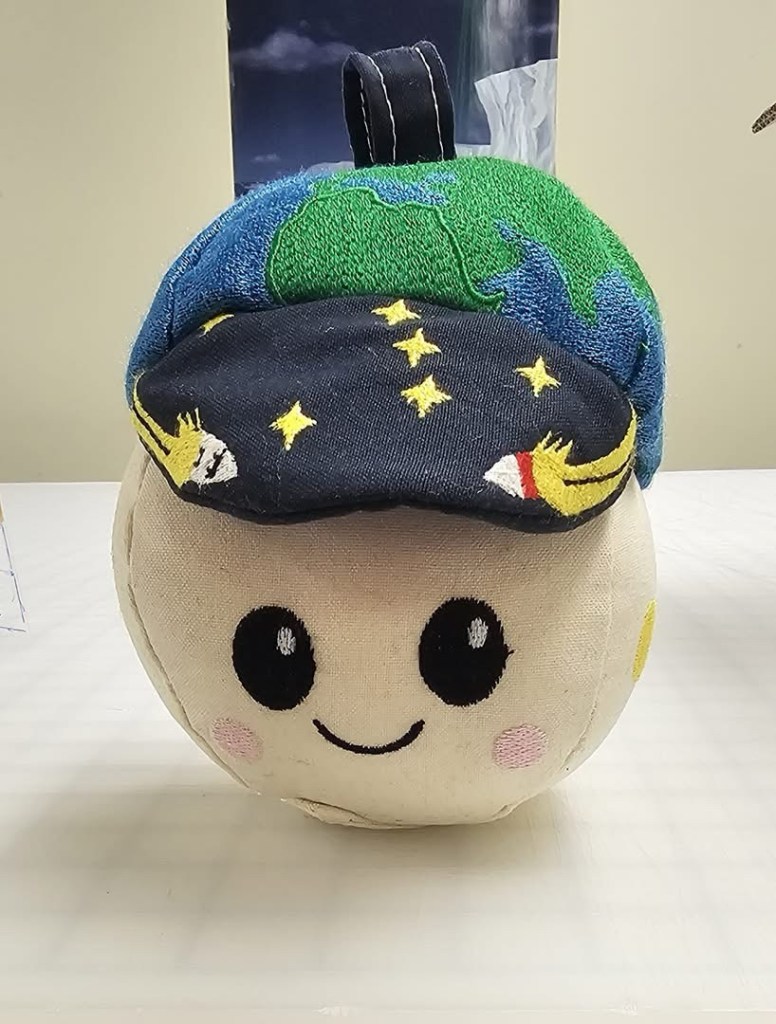
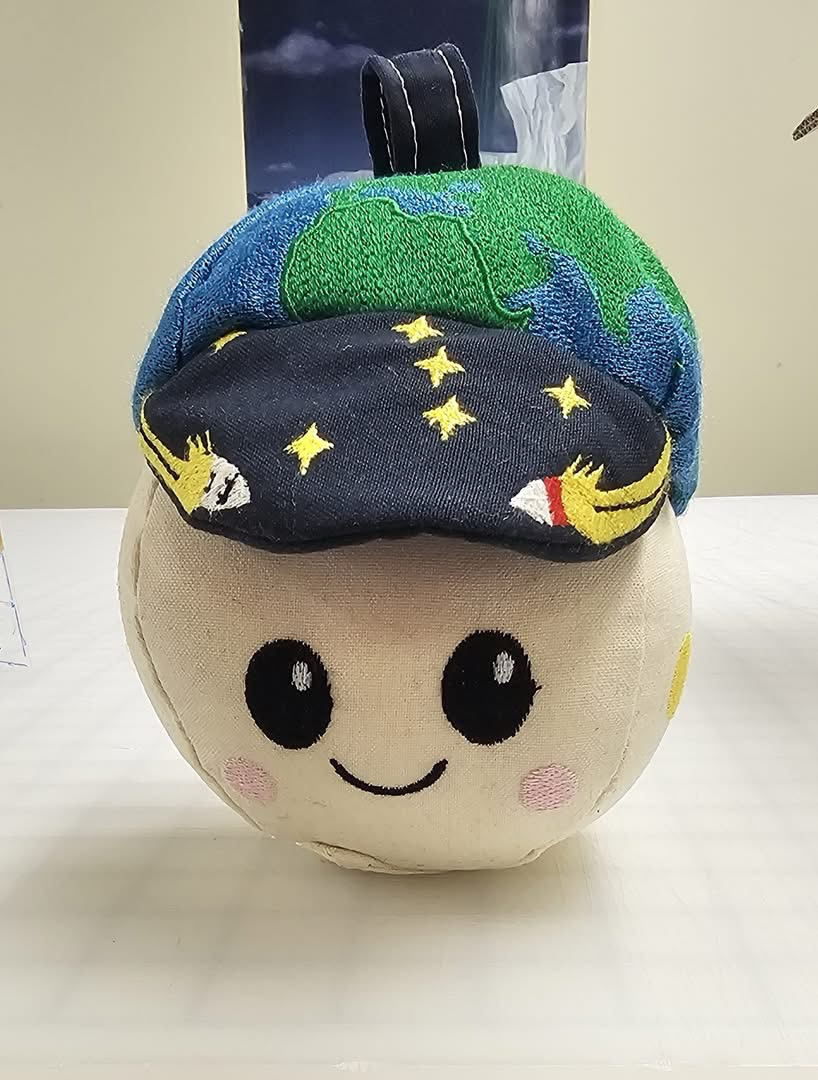
A ZGI named “Rise” is the official Artemis II Zero Gravity Indicator. Rise was selected from over one hundred-thousand entries submitted by students across the world. The Artemis II crew fell fond to the entry as it resonates a connection to Earthrise. The impact echoing historically in reference to Apollo 8. Rise will host and carry an SD card containing millions of earthling names.
Thanks for reading and sharing an interest in Space and Science. I plan to write more theme-specific articles about the NASA Artemis Lunar Program. Accumulating a short series of educational highlights while pursuing freelance media credential from NASA.
I’m not only an avid sky-watcher I’m also a father. I know the thrill of watching a young mind grapple in wonder at the stars and sky. All four of my children have unique names with galactic meanings. I’ve always encouraged for one and all of them to become an astronaut. I’ve been fascinated with Mars exploration since NASA announced the initiative in 2010.


